 Home
HomeWhat is Silica Sol Process of Investment Casting VS Water Glass Investment Casting and The Differences
Since our silica sol process is a type of lost wax method, and LE-TA has been focusing on silca sol investment casting, and a lot of our customers are confused with silica sol investment casting and water glass investment casting. In this article, we will explain in details of the two process and the differences between silica sol casting and water glass investment casting.
In simple terms, the lost wax method is to first use wax to replicate the object to be cast, then immerse it in a pool of sand/powder and wait for it to dry, so that the wax replica is covered with a layer of sand outer film, and the steps are repeated until the outer film is sufficient to support the casting process, then melt the wax in the mold and remove the mold. After that, the mold needs to be heated several times to enhance its hardness before it can be used for casting. This method has good accuracy, but due to the high price of sand/powder, and the need for multiple heating and complexity in production, the cost is quite expensive.
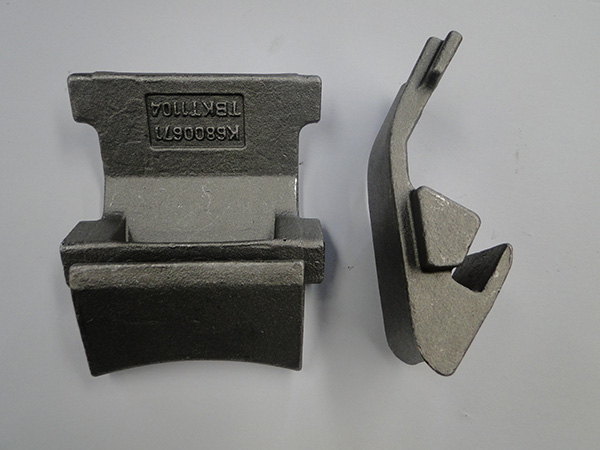
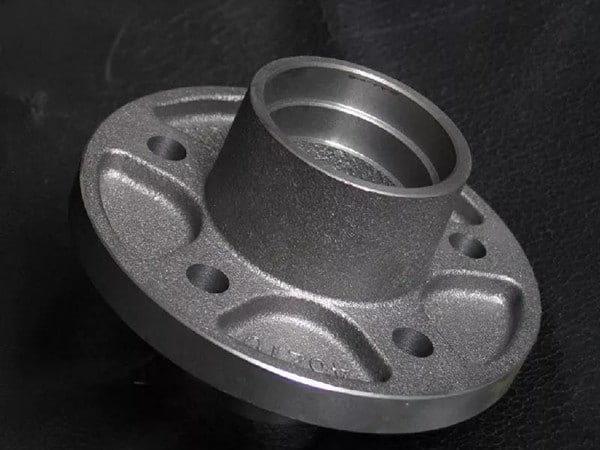
The surface roughness of the products cast by our factory's silica sol process can reach Ra3.2-6.4. Since the casting blank is almost formed, it can achieve the purpose of no mechanical processing or little processing, which reduces the cost and reduces the production time to a certain extent.
What is Water Glass Casting?
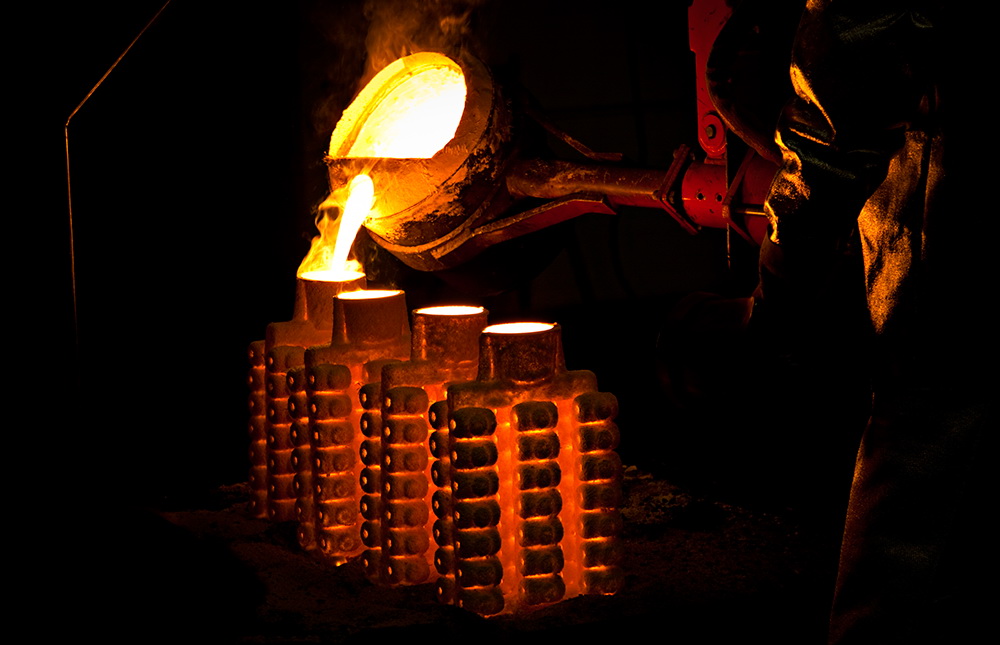
Water glass casting is also called sodium silicate casting. Its casting process is very similar to silica sol investment casting (that is the lost wax investment casting method). It is a technology that uses water glass as the binder for the shell to cast. The process provides a far superior surface finish and dimensional precision to that achieved through sand casting. And more complex shapes can be achieved.
It is particularly suited to larger castings and is cheaper to produce. The raw materials are mainly steel and iron.
Water glass investment casting process
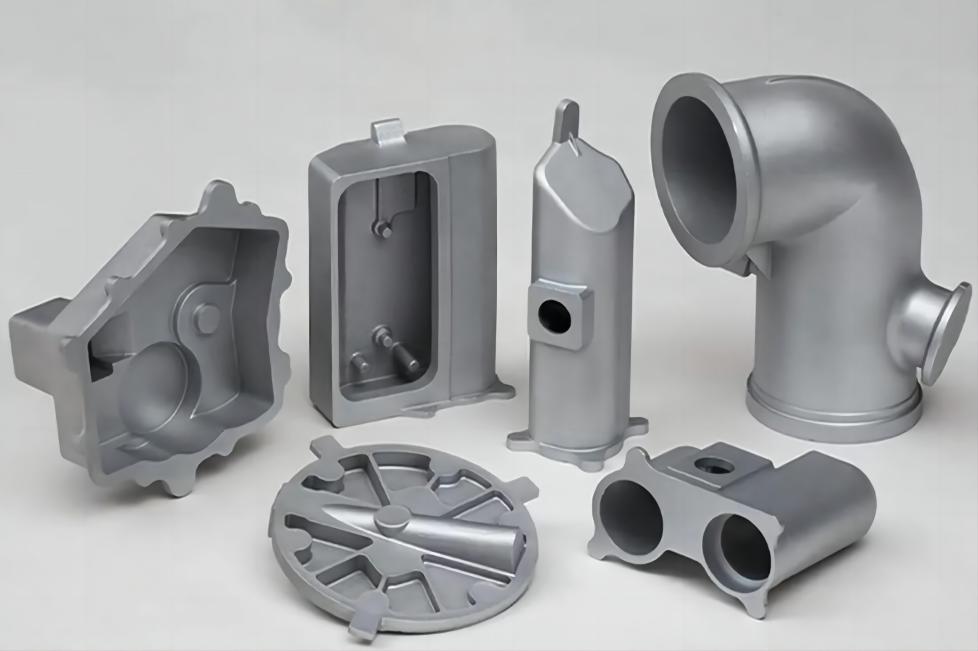
Silica sol investment casting (lost wax casting)
What's the Difference Between Water Glass Process and Silica Sol Process
Another commonly used lost wax casting method is the water glass process. Compared with the castings produced by the silica sol process, water glass has certain advantages in price; that is, it is cheaper. Here is a brief analysis of the differences between the two processes.
Different production processes lead to great differences in the final products. Products produced by the silica sol process have higher dimensional accuracy and better surface roughness than those produced by the water glass process. Because the back layer retains the water glass binder, the overall high-temperature strength and creep resistance of its shell are lower than those of the silica sol shell. Its mold-baking temperature is limited to below 950℃. After 900℃, the deformation of the shell increases by 30%. The baking temperature of the silica sol shell can reach 1000-1200℃, and the shell does not deform before 1000℃. Therefore, the water glass process cannot be compared with the silica sol process in terms of quality and product accuracy.
The Main Differences Between Silica Sol Investment Casting & Water Glass Casting
1. Molding Material:
The water glass casting process uses water glass quartz sand as the molding material, which can withstand temperatures up to 1800 degrees, but it is more expensive than wet clay sand. The silica sol investment casting process uses silica sol zircon sand as the molding material, which can stand temperatures up to 2000 degrees. This molding material is very expensive.
2. Wax Temperature
Have any Questions?
Please feel free to contact us. We will get back to you within 1-2 business days. Or just call us now. +86 18902455367
 info@lidalostwaxcasting.com